
There’s something magical about turning ordinary kitchen ingredients into a tiny science show. The first time I tried Sugar and Vinegar Fireworks, I wasn’t planning anything fancy. It started as one of those “let’s try something fun today” moments with a few ingredients sitting on the counter.
A little sugar, a splash of vinegar, and suddenly—tiny bubbles, fizzing sounds, and colorful sparkles bursting like mini fireworks right in a bowl.
If you love simple science experiments that feel a bit like magic, this one is a must-try.
What Are Suger Vinegar Fireworks Experiment?
Suger Vinegar Fireworks Experiment is a simple home science experiment that creates fizzy bubbling reactions that resemble tiny fireworks. When vinegar reacts with baking soda (often combined with sugar and colors), it releases carbon dioxide gas, which causes bubbling and fizzing action.
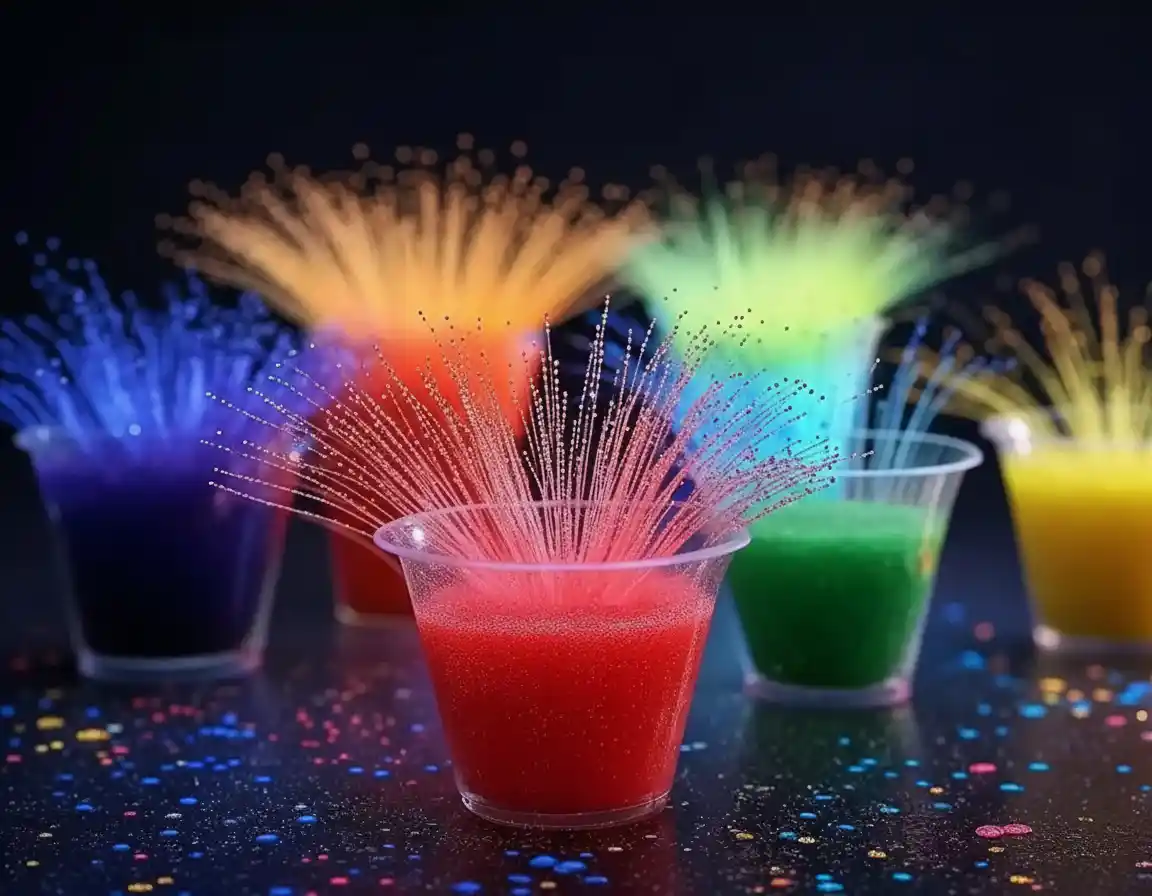
Those bubbles push colors and tiny particles upward, creating a sparkling “fireworks” effect that is exciting to watch—especially for kids.
The best part? You probably already have everything you need in your kitchen.
Why This Experiment Is So Fun
I love experiments that feel playful rather than complicated. This one checks all the boxes:
✨ Uses common pantry ingredients
✨ Takes only a few minutes to prepare
✨ Creates colorful, bubbly reactions
✨ Perfect for kids, families, or science lovers
It’s also a wonderful way to introduce children to basic chemistry reactions without them even realizing they’re learning.
Ingredients for Vinegar Fireworks Experiment
Here’s what you’ll need to create your sparkling experiment:
- 1 cup granulated sugar
- 1–2 tablespoons baking soda
- ½ cup white vinegar
- Food coloring (any colors you like)
- Optional: glitter for extra sparkle
- A shallow dish or tray
- Spoon or small dropper
These simple ingredients combine to create a lively fizzy reaction that mimics tiny fireworks bursting and bubbling.
How to Make Suger Vinegar Fireworks Experiment
Step 1 – Prepare the Base
Place sugar in a shallow dish and mix in the baking soda. Spread the mixture evenly across the plate.
Step 2 – Add Color
Drop a few spots of food coloring around the sugar mixture. Different colors will create a more dramatic fireworks effect.
Step 3 – The Fireworks Moment
Slowly pour or drop vinegar onto the mixture.
Almost instantly, you’ll see bubbling, fizzing, and colorful bursts forming across the dish—just like miniature fireworks.
The Science Behind the Fireworks
The excitement comes from a classic acid-base reaction.
- Vinegar contains acetic acid.
- Baking soda is sodium bicarbonate, which acts as a base.
When the two mix, they produce carbon dioxide gas, water, and sodium acetate. The carbon dioxide forms bubbles that create the fizzing, erupting effect you see.
Those bubbles push the colored liquid through the sugar mixture, creating the “fireworks” pattern.
Science can look pretty magical sometimes.
A Little Kitchen Story
One rainy afternoon, I remember trying this experiment with my niece. We had planned to bake cookies, but somehow the sugar ended up becoming part of a science experiment instead.
We mixed the ingredients on a plate, and when the vinegar hit the sugar mixture, the fizzing began immediately. My niece gasped and shouted, “It’s fireworks!”
We ended up trying different colors, adding glitter, and watching each reaction like it was a tiny science show. The cookies never got baked—but honestly, the experiment was much more memorable.
Sometimes the best discoveries happen when you’re just playing in the kitchen.
Tips for the Best Fireworks Effect
If you want your experiment to look even cooler, try these tricks:
- Use gel food coloring for brighter bursts
- Add glitter for sparkling fireworks
- Use a dropper to control where the vinegar lands
- Try different color combinations for layered effects
You can even repeat the experiment several times by adding more baking soda and vinegar.
Why Kids Love This Experiment
This activity is perfect for curious kids because it combines:
- Visual excitement
- Hands-on learning
- Quick results
Simple experiments like this can spark interest in science and show how chemical reactions work in everyday life.
And honestly… adults tend to enjoy it just as much.
Final Thoughts
Sugar and Vinegar Fireworks prove that science doesn’t have to be complicated to be fascinating. With just a few kitchen ingredients, you can create a colorful reaction that feels like a mini fireworks show right at home.
Whether you’re looking for a fun activity with kids, a quick science demonstration, or just something playful to try on a lazy afternoon, this little experiment delivers big smiles.
Sometimes the simplest ingredients create the most surprising magic.
For more recipes follow me in Facebook and Pinterest
Sugar Vinegar Fireworks Experiment
Ingredients
Method
- Place the sugar in a shallow dish or tray and mix in the baking soda.
- Spread the mixture evenly across the dish to create the experiment base.
- Add drops of food coloring in different spots across the sugar mixture.
- Slowly pour or drop the vinegar onto the mixture using a spoon or dropper.
- Watch as the mixture begins to fizz, bubble, and create colorful bursts that look like tiny fireworks.